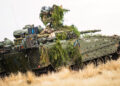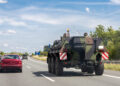






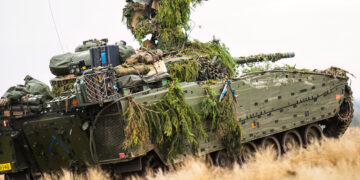

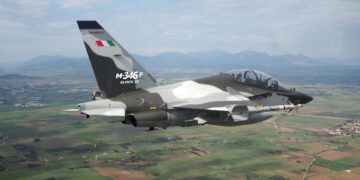

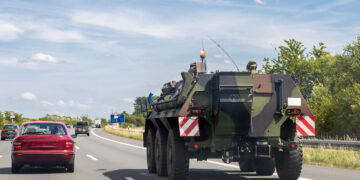
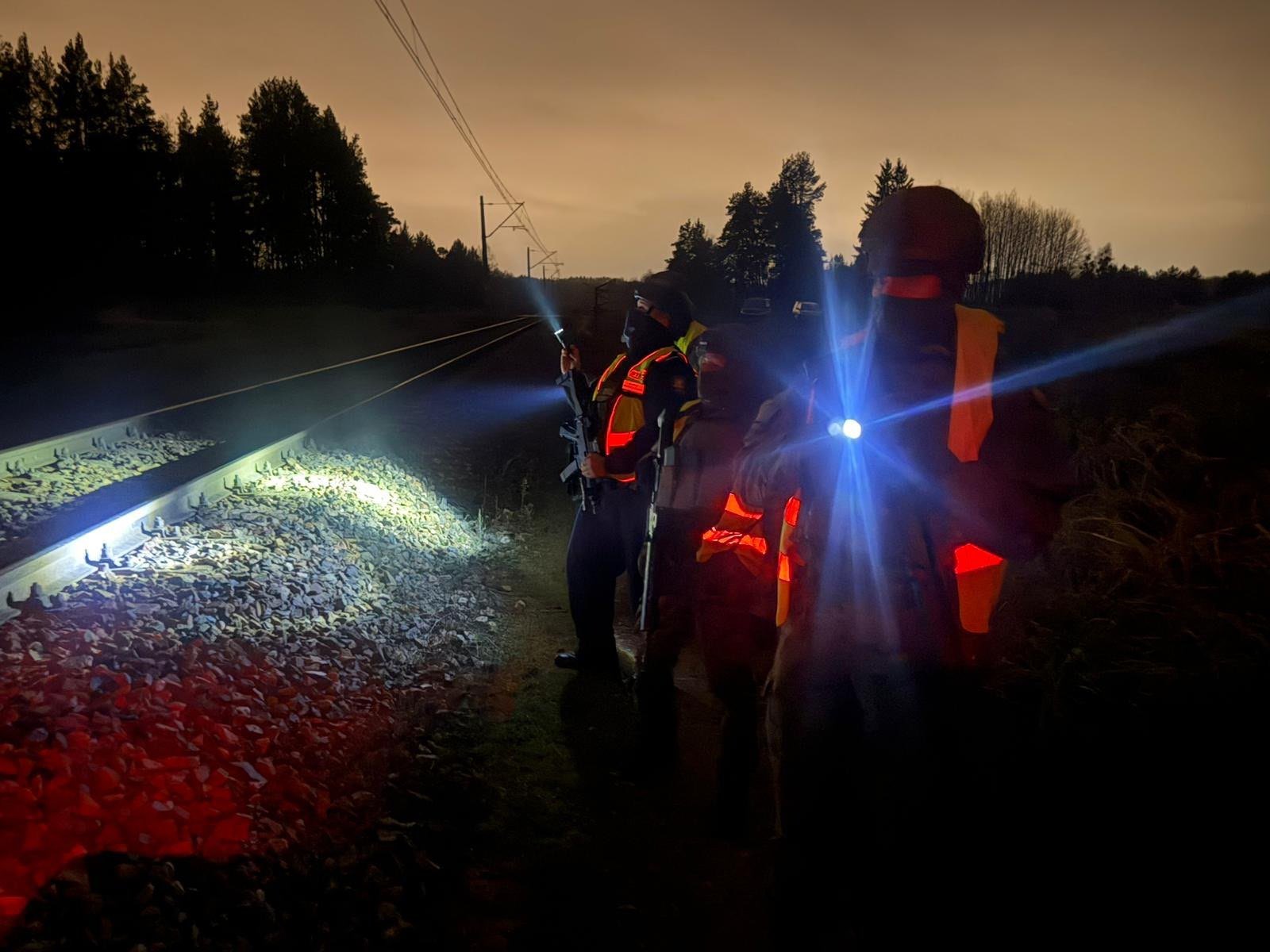
Poland is deploying ten thousand soldiers to protect key infrastructure across the country. Defence Minister Władysław Kosiniak-Kamysz announced the decision on Wednesday. It follows last weekend’s sabotage of a railway line using explosives. Poland has pointed to Russia as the actor behind the attack.
Follow us on: Bluesky, X or Linkedin
The attack forced rail traffic to a halt. Poland is a major transit country for NATO supplies going to Ukraine, with a large share transported by rail. Such a sabotage act on NATO territory is highly unusual. Poland is now sending a large number of troops to protect railway lines and other vital sites.
Hundreds of soldiers were already patrolling along the tracks during the night. “The Territorial Defence Force is guarding railway lines, embankments, culverts and railway junctions. The troops are using all necessary equipment, including drones, and also have access to a helicopter. Joint operations with the Railway Guard will continue for as long as needed. If required, the force will be expanded,” the Defence Minister said on Tuesday.
That decision has now been made. The deployment of ten thousand soldiers marks a significant increase in Poland’s military presence around the country’s infrastructure.
It reflects the growing tension in Eastern Europe. For months, Poland has faced incidents across the border. What began with a single stray drone later escalated into airspace violations in which Dutch F-35s shot down Shahed drones.
Intelligence services: more sabotage expected
The physical sabotage of the railway line marks a new step in the grey zone between peace and open conflict. Intelligence services have long warned about rising attempts at sabotage. Earlier this year, the Dutch intelligence service reported a growing risk of such attacks.
“Russia is carrying out more and more sabotage operations to stir fear and unrest in Europe, expecting that political and public willingness to confront the country will then decline. These actions are likely to increase, because they stay below the threshold of military conflict and therefore below Article 5 of the NATO treaty,” the Dutch intelligence service wrote in its report Dreigingsbeeld Statelijke Actoren 2025.