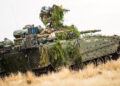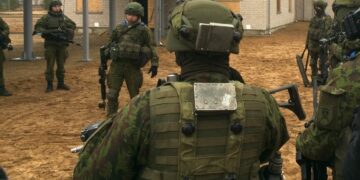





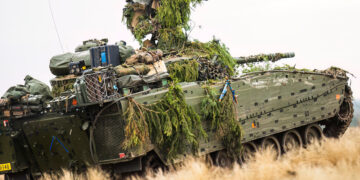

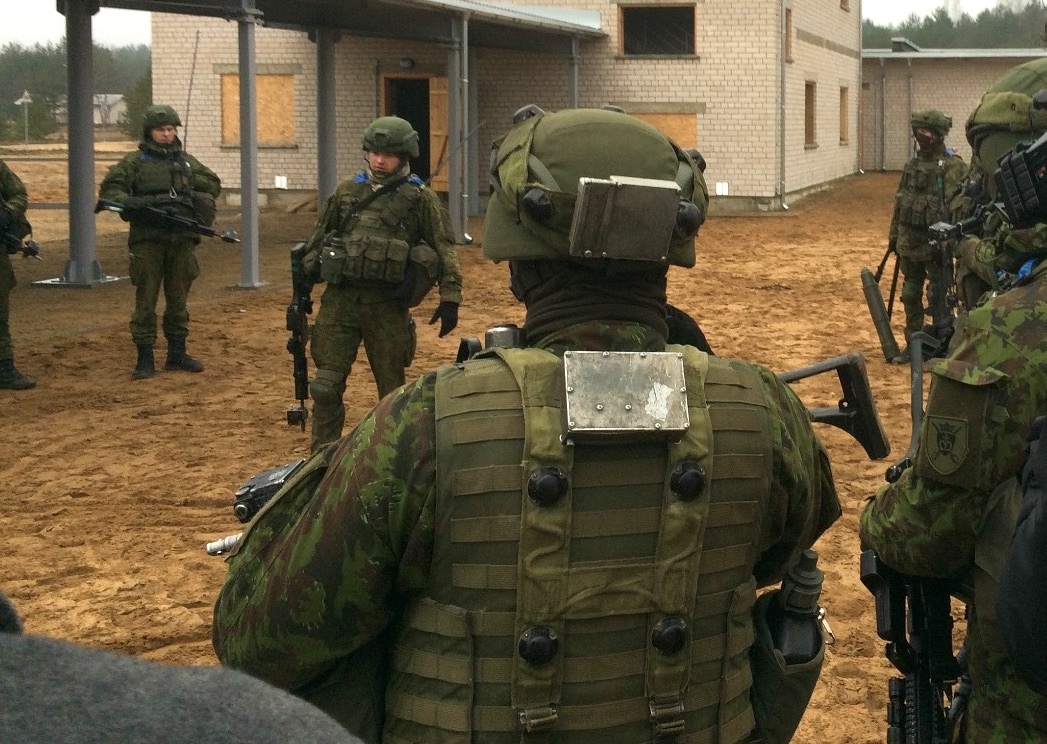
It was a cold November day on the border with Belarus. In Lithuania, NATO troops were training to defend against a simulated enemy. With the alliance’s eastern flank just a stone’s throw away, there was little doubt about who that enemy might be. Russia had annexed Crimea a few years earlier, and the Baltic states were growing increasingly uneasy. “We don’t know how long we’ll remain free,” one soldier told us during a production of our report about an emerging new Cold War.
In Lithuania and its Baltic neighbours, independence is celebrated every year with a deep sense of pride. And for good reason. Even after the fall of the Berlin Wall, it took several more years for the last Russian troops to leave the region. Since then, these countries have built their democracies and joined NATO. Yet membership of the alliance does not erase every fear.
We heard this from Lithuanian soldiers during a conversation in a small office at their barracks. We had asked how seriously they took the possibility of Russia launching an attack on NATO territory. Their answer was matter-of-fact, almost casual. But the message was clear: freedom is fragile, and peace cannot be taken for granted.
In the Baltic states, parents and children have contrasting experiences of their youth
The contrast between generations is also visible in everyday life. In Lithuania, the gap between parents and children can be striking. Young people, particularly those who have attended university, often enjoy opportunities their parents could only dream of. Some move abroad; others find better jobs and new prospects at home. People have more to spend, and restaurants and lifestyles have changed.
Their parents grew up under communism, in a very different world. Such contrasting experiences can lead to jealousy or misunderstanding, but also to pride in how far the country has come.
In the West, war and occupation is history
In Western Europe, the experience of freedom is often quite different. For many, it has become part of everyday life — something so familiar that it is easy to take for granted. Meanwhile, the stories of the Second World War are gradually fading from family conversations. Fewer are passed down from one generation to the next. War has become something many people encounter through books, films and black-and-white images of a distant past.
In much of Western Europe, freedom can feel secure simply because several generations have grown up without knowing what it is like to live without it. In Eastern Europe, living memory tells a different story.
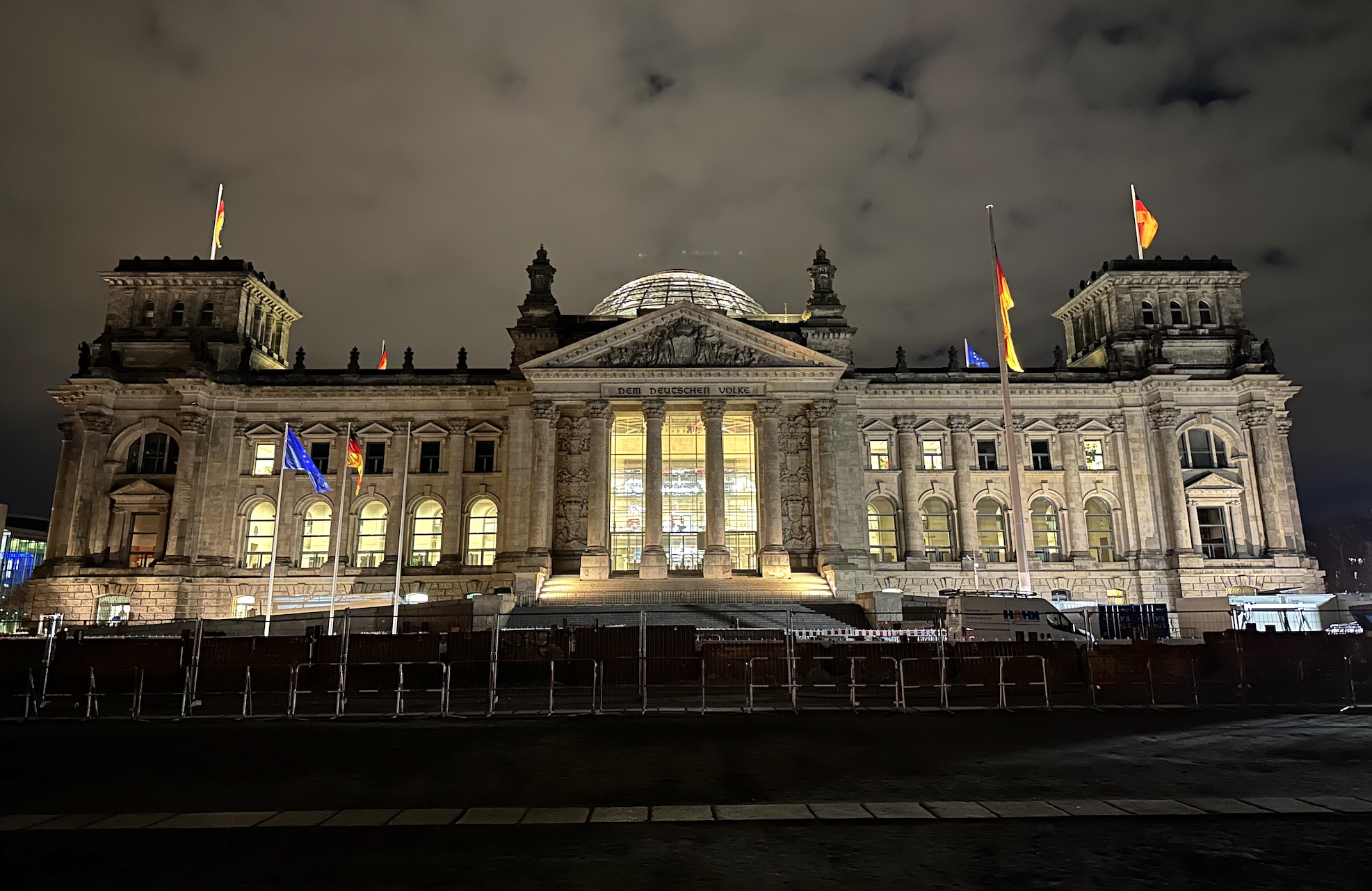
In a united Europe, we should bring these experiences closer together. We should share both the confidence that freedom can bring and the awareness of how easily it can be lost. Although borders between European countries have largely disappeared, a divide remains in how people across the continent understand freedom, peace and security.
That is why Checkpoint Europe wants to make space for stories that bridge this divide. Stories that help us understand one another. First-hand accounts of the past that continue to shape the present. And stories about what is happening today, helping us see both how much we have to protect and how vulnerable Europe’s security remains.
Because understanding one another’s experiences is an important step towards protecting the freedom we share.